
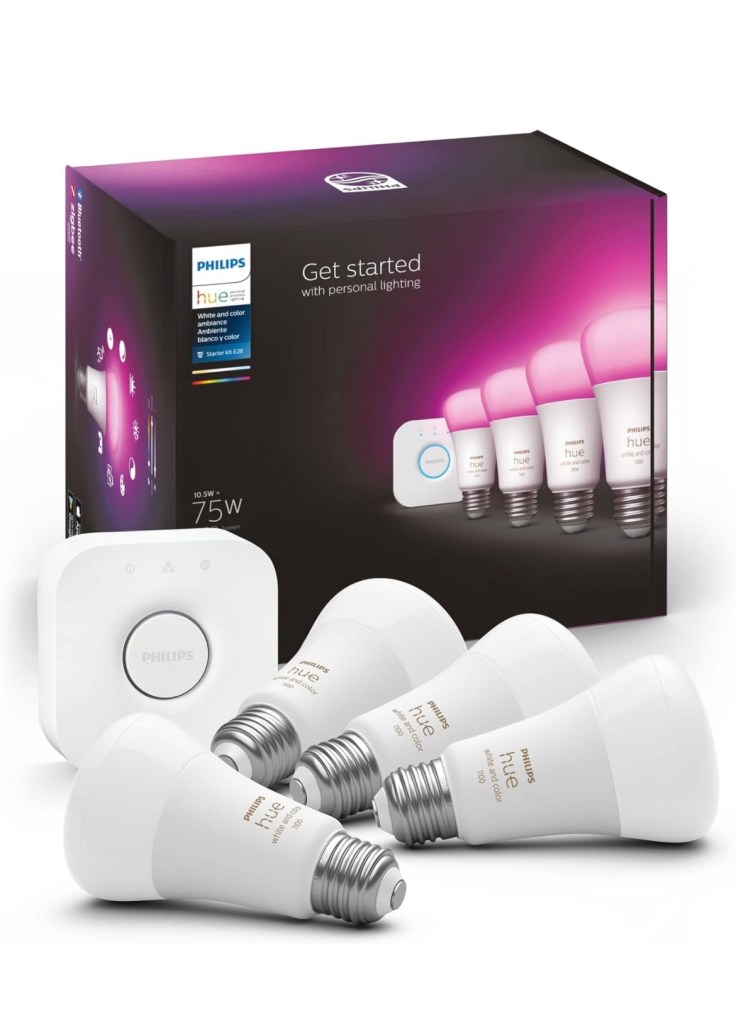
Smart lighting systems can create the illusion of someone being home even when you’re away through the use of scheduling, automation, and remote control features. Here’s how:
- Scheduling: Smart lighting systems allow you to create schedules for your lights. You can set specific times for your lights to turn on and off, mimicking the typical patterns of activity in your home. For example, you can schedule the lights to turn on in the evening when it gets dark and turn off late at night when you would normally go to bed. This creates the appearance that someone is inside the house, following a regular routine.
- Automation: In addition to scheduling, smart lighting systems offer automation capabilities. You can set up automation routines that activate your lights based on specific triggers or events. For example, you can use motion sensors to detect movement and automatically turn on the lights in certain rooms. This gives the impression that someone is moving around the house, even when you’re not there.
- Randomization: To make the illusion of occupancy more convincing, some smart lighting systems include randomized features. These features introduce variations in the lighting schedule, mimicking the natural inconsistencies in human behavior. The lights may turn on and off at slightly different times each day, creating a more realistic simulation of someone being home.
- Remote Control: With smart lighting systems, you can control your lights remotely using your smartphone or tablet. This means you can turn your lights on and off from anywhere, giving the appearance that someone is manually controlling the lights inside the house. You can even control the brightness and color of the lights to further enhance the illusion of occupancy.
- Integration with Other Devices: Smart lighting systems can be integrated with other smart home devices, such as door/window sensors, security cameras, or voice assistants. By connecting your lighting system to these devices, you can create more realistic scenarios. For example, when the doorbell rings or a motion sensor detects activity, the lights can automatically turn on to make it seem like someone is answering the door or moving around the house.
By utilizing these features, smart lighting systems can effectively create the illusion of someone being home, even when you’re away. This can significantly enhance home security by deterring potential intruders and making your home appear occupied at all times.
Have a project in mind?
We’d love to work with you.

Processing…
Success! You're on the list.
Whoops! There was an error and we couldn't process your subscription. Please reload the page and try again.
 Wire Nuts Electric Inc.
Leave a comment