- Adjust Your Day-to-Day Behaviors: Simple changes like turning off lights when not in use or only running your dishwasher or washing machine with a full load can help reduce your energy consumption.
- Replace Your Lightbulbs: Traditional incandescent light bulbs consume an excessive amount of electricity and must be replaced more often than their energy-efficient alternatives. Halogen incandescent bulbs, compact fluorescent lights (CFLs), and light-emitting diode bulbs (LEDs) use anywhere from 25-80% less electricity and last three to 25 times longer than traditional bulbs.
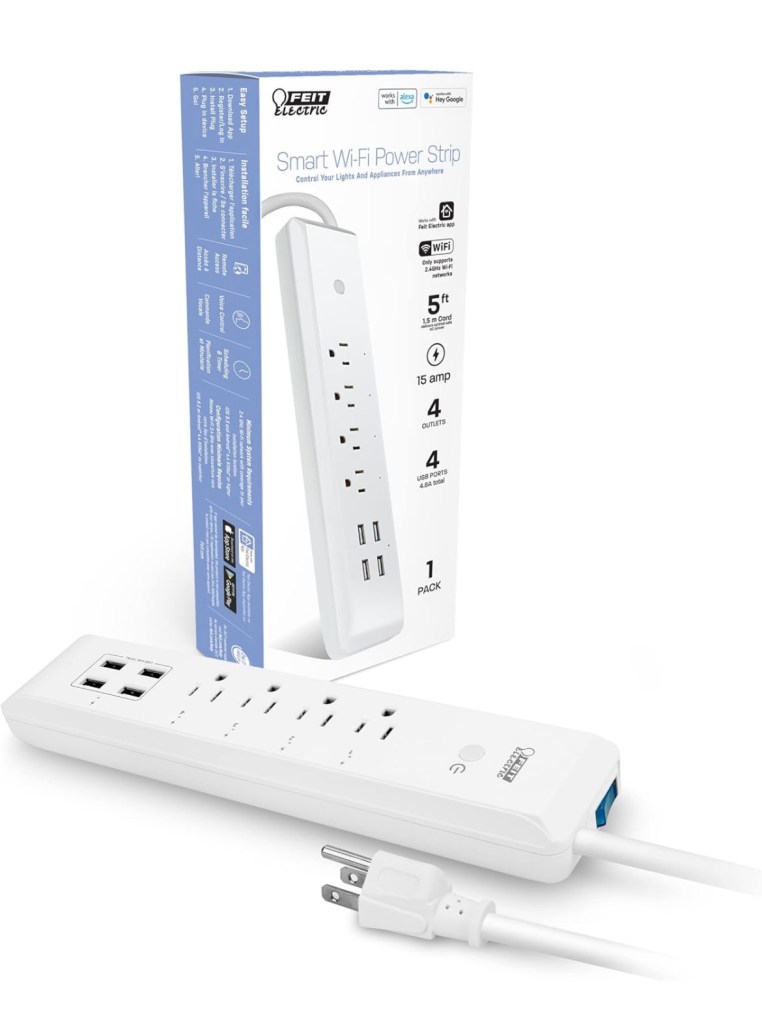
- Use Smart Power Strips: “Phantom loads,” or the electricity used by electronics when they are turned off or in standby mode, are a major source of energy waste. In fact, it is estimated that 75% of the energy used to power household electronics is consumed when they are switched off. Smart power strips, also known as advanced power strips, eliminate the problem of phantom loads by shutting off the power to electronics when they are not in use.
- Install a Programmable Thermostat: A programmable thermostat can be set to automatically turn off or reduce heating and cooling during the times when you are asleep or away.
- Purchase Energy-Efficient Appliances: On average, appliances are responsible for roughly 13% of your total household energy use. When purchasing an appliance, you should pay attention to two numbers: the initial purchase price and the annual operating cost.
- Reduce Your Water Heating Expenses: Water heating is a major contributor to your total energy consumption. Other than purchasing an energy-efficient water heater, you can save as much as 50% on your water heating costs by using less hot water and turning down the thermostat on your water heater.
- Install Energy-Efficient Windows: Windows can make a big impact on your energy efficiency. Installing double pane windows with thermal curtains can help reduce energy usage.
- Improve Your Home’s Insulation: By insulating your home, you can decrease your heating costs by reducing the amount of heat that escapes your home in the winter.
- Use Ceiling Fans: Ceiling fans can be used in place of air conditioners, which require large amounts of energy.
- Upgrade Your HVAC System: An HVAC system that is more than 10 years old is likely to be significantly less efficient than a modern, energy-efficient model.
Implementing these changes will reduce your energy usage and make your home more energy-efficient, leading to lower electric bills.
 Wire Nuts Electric Inc.
Leave a comment